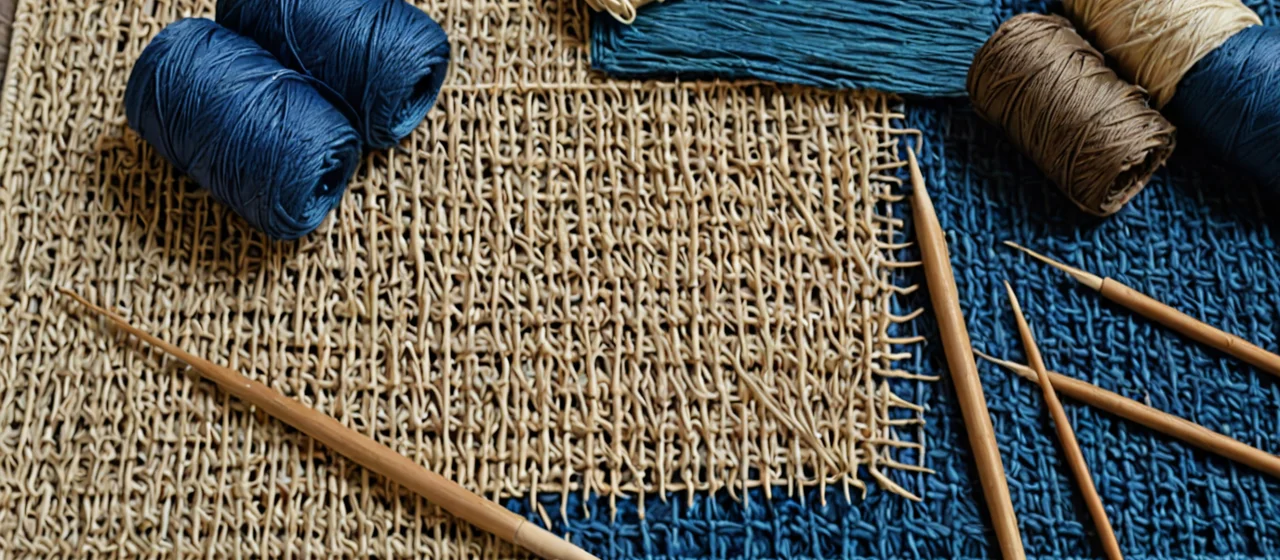
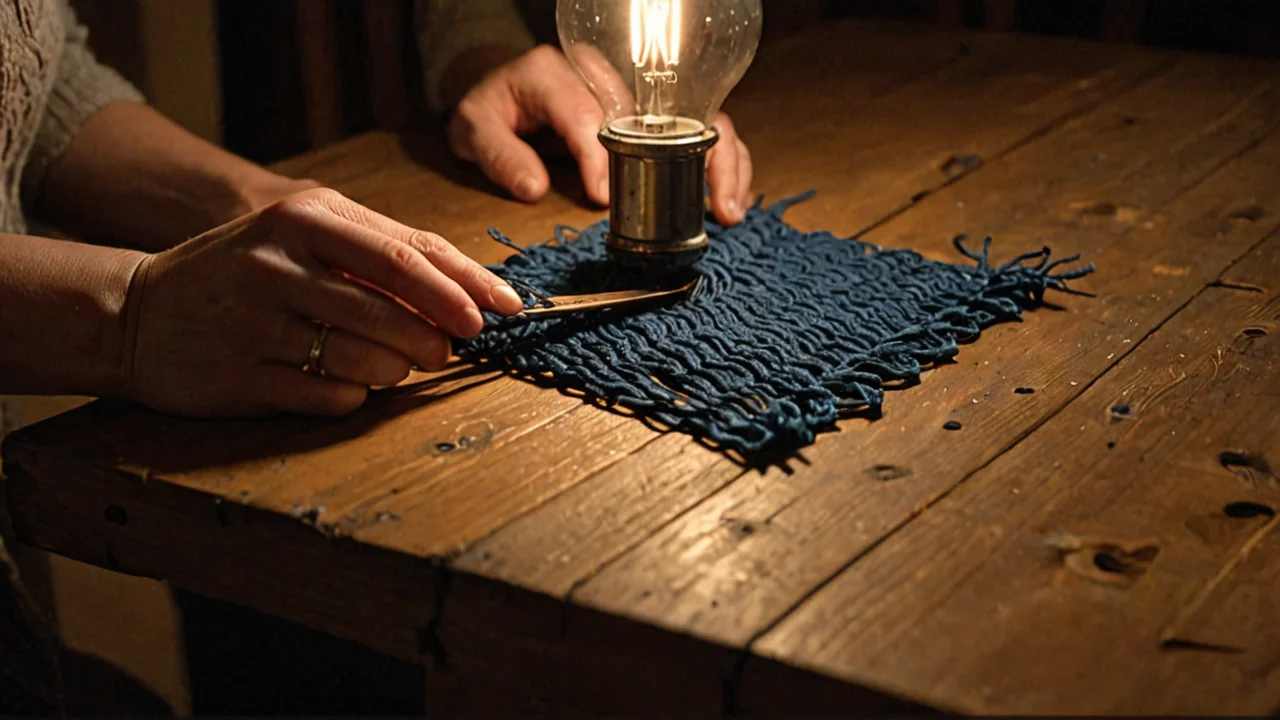
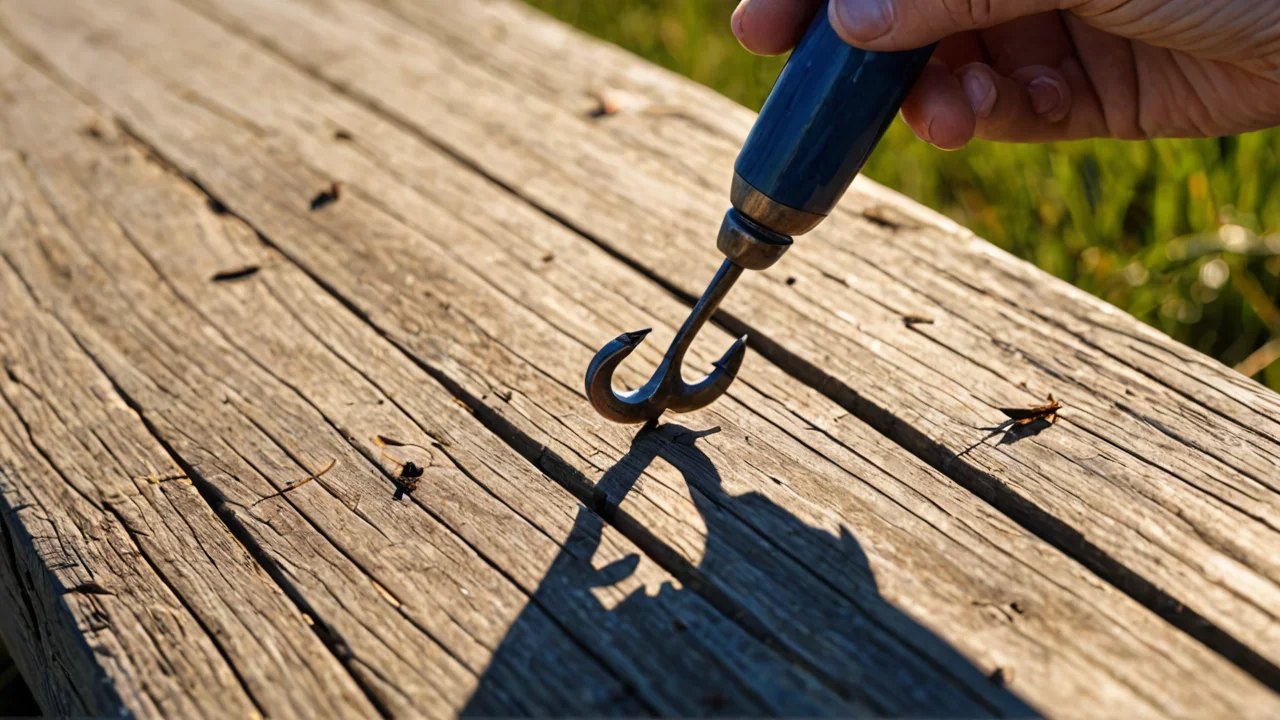
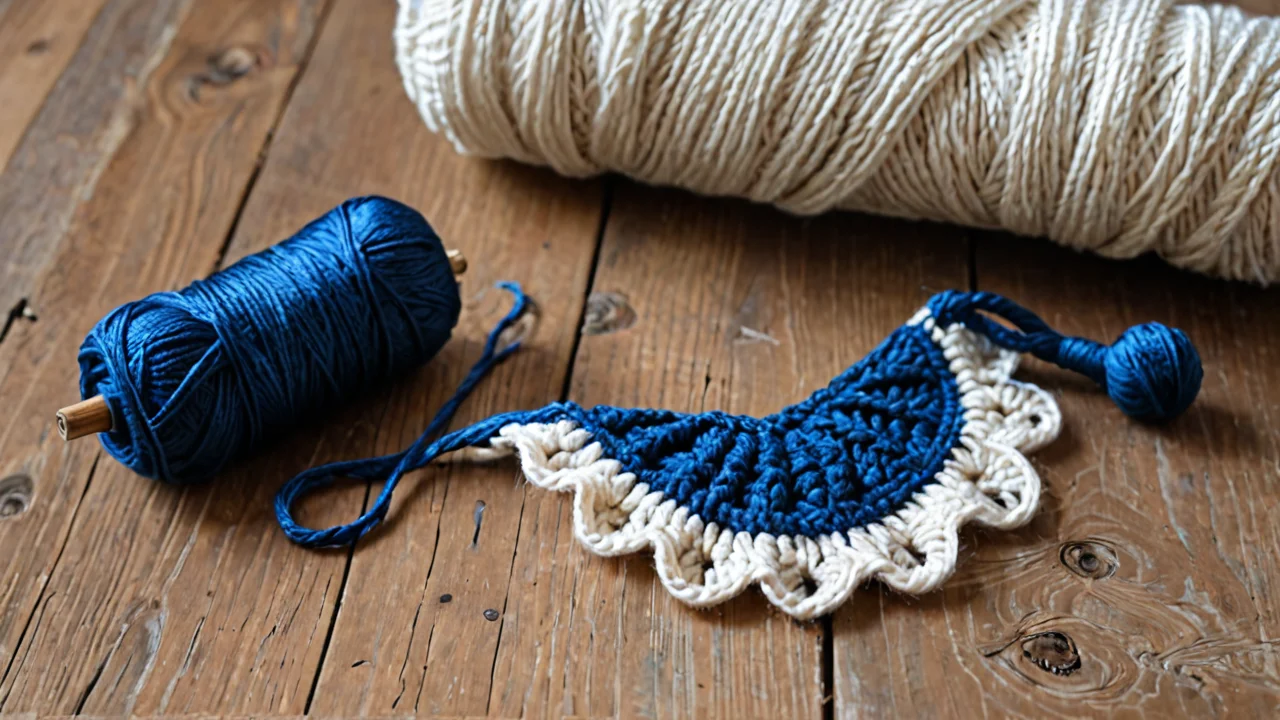
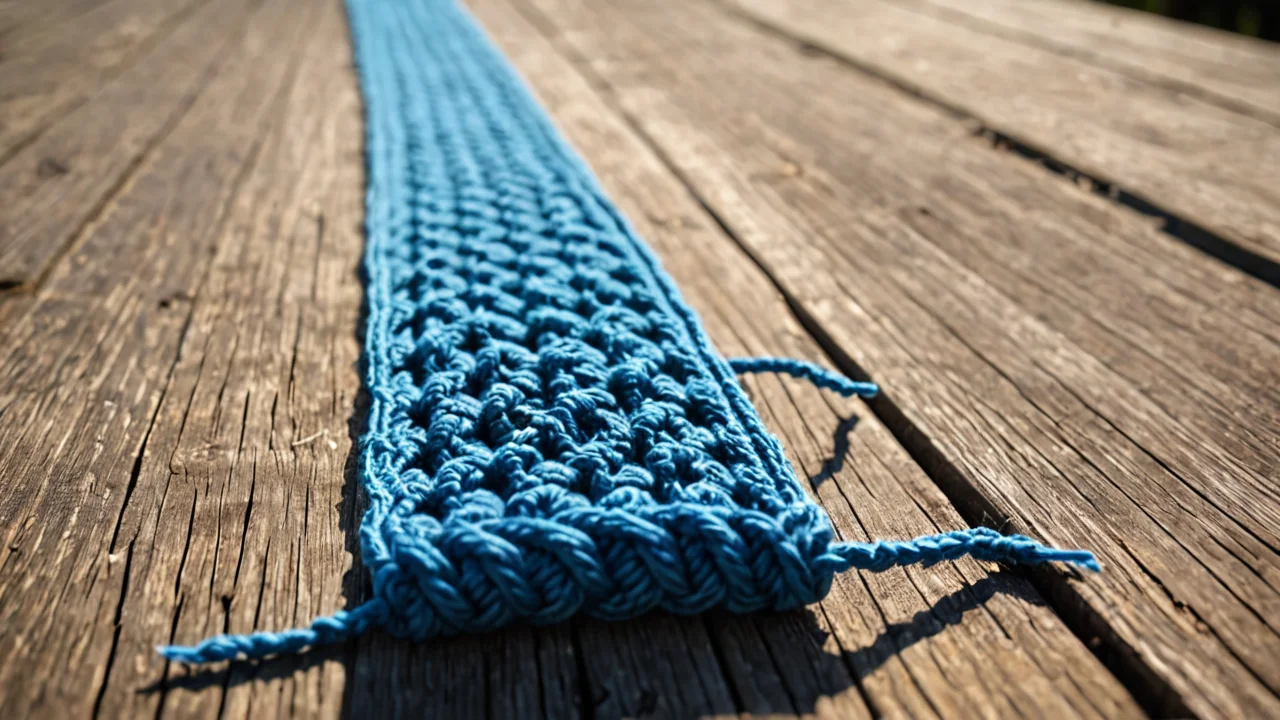
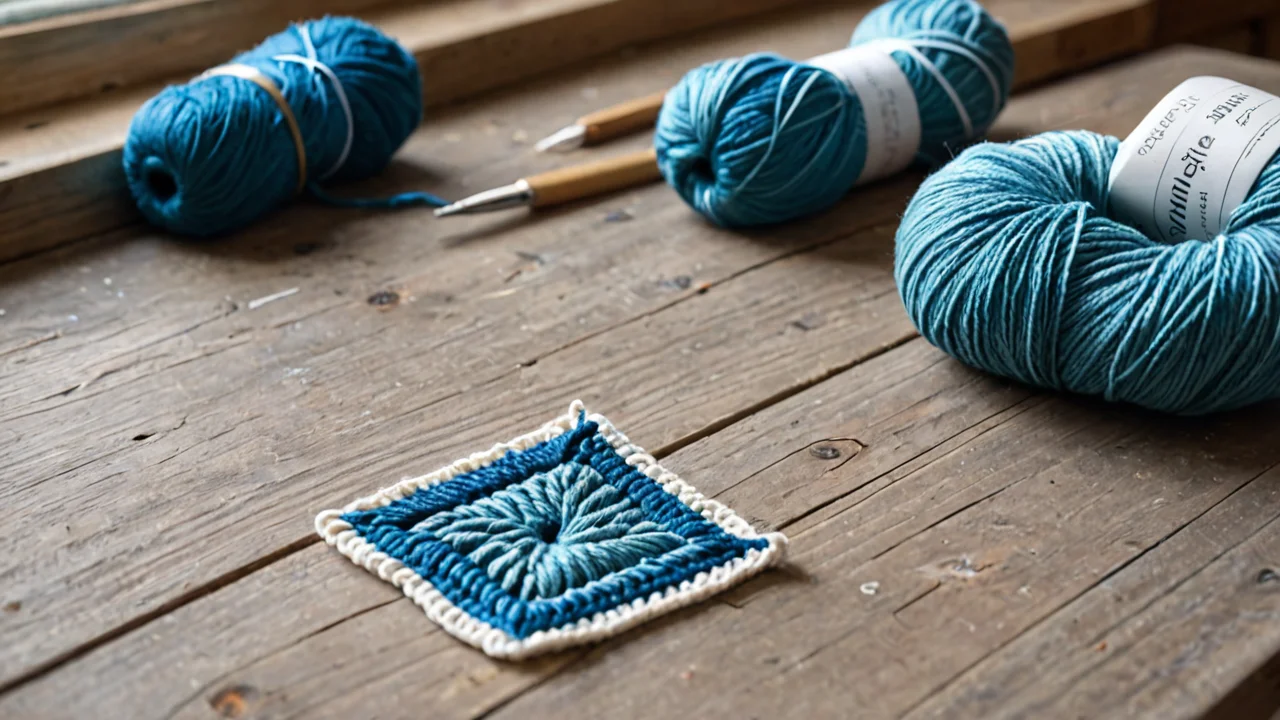
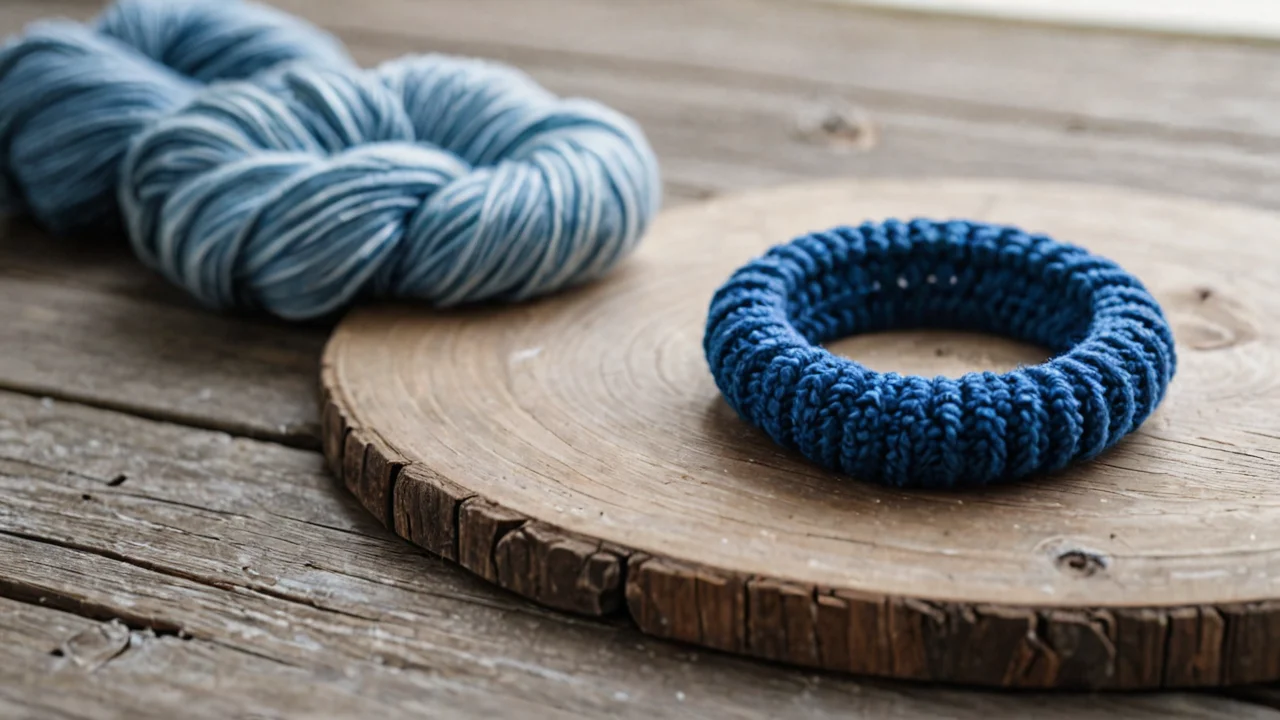
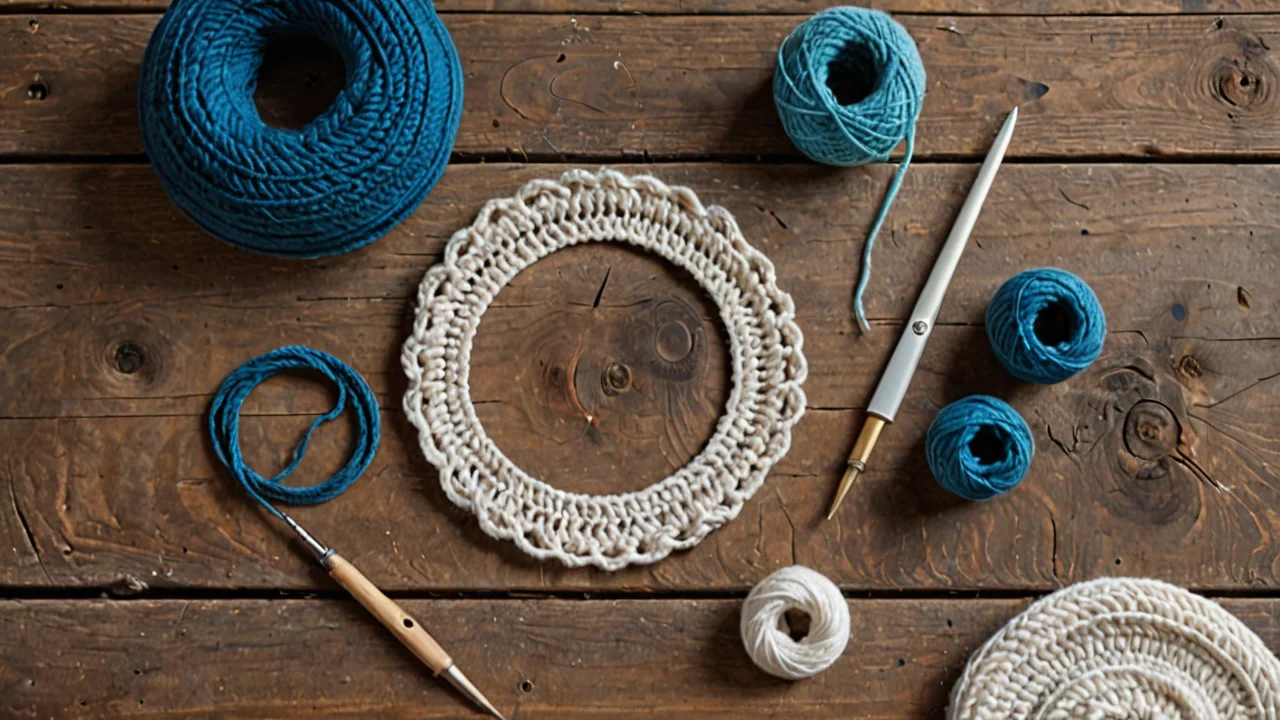
Every handcraft on this page comes down to the same three variables: the tool, the material, and the tension you put into them. Match those and the fabric behaves; mismatch any one and you get a finished object that curls, droops, splits, or wears through at the stress points. The single most consequential decision a beginner makes is the size of the thing in their hand, because it sets the scale of everything downstream — how thick the yarn must be, how big the stitches come out, how long the project takes, and how forgiving the material is of uneven work.
Hook and needle sizes are diameters, and every craft counts them differently
Crochet hooks are designated by letter-and-number in the United States and by millimeter diameter everywhere the standards are written down. The two are not interchangeable across manufacturers, which is why the millimeter figure is the one to trust. In the Craft Yarn Council standard system, a G-6 hook is 4.00 mm, an H-8 is 5.00 mm, and an I-9 is 5.50 mm. Those three sit in a tight band — half a millimeter separates the first from the second and the second from the third — and yet they produce visibly different fabric from the same yarn. That is the whole lesson of gauge in miniature: small changes in diameter compound across a whole project.
The letter system breaks down at the edges. Fine steel hooks, the kind used with crochet thread rather than yarn, are numbered in reverse and sized on a separate standard entirely: a steel hook size 1 is 2.75 mm. Note that this is smaller than the G-6 at 4.00 mm despite carrying a lower number than most of the aluminum range. If you inherit a hook roll or buy a mixed lot secondhand, read the millimeter stamp before you read the letter. A hook with no marking at all is worth measuring or setting aside for scrap.
Sewing machine needles follow yet another scale, and it is the one that catches people out because it looks like a size number in the ordinary sense. The Schmetz Needle ABC guide gives the working range as NM 60 to NM 130, where NM is the metric designation for the needle's diameter in hundredths of a millimeter. The number describes the shaft and the eye, not the length. A needle at the small end of that range is for fine, light fabric; at the large end it is for heavy material that would bend or break a finer shaft. Hand sewing needles, embroidery needles, and tapestry needles are sized on still other systems, and tapestry needles are additionally blunt-tipped so they slip between yarns instead of splitting them.
The practical cost of all this is that you cannot shop by letter alone and you cannot assume a size carries across crafts. The benefit is that once you know a millimeter figure, you can substitute confidently between brands. Keep the paper sleeve from your needle packets — the color band on a Schmetz needle tells you the type, and the number on it tells you the size, and both matter when you are sorting a pile.
Yarn weight and hook size are a matched pair, not two separate choices
Worsted-weight yarn and a G-6 hook are the conventional starting combination, and there is a reason for it: at 4.00 mm the hook is large enough to catch medium-weight yarn reliably and small enough that the fabric stays dense. The same worsted yarn on an H-8 at 5.00 mm gives a looser, drapier fabric with more visible stitch definition, and on an I-9 at 5.50 mm it opens up further into something closer to a lacy texture. None of these is wrong. They are three different fabrics from one ball of yarn, and the pattern you are following has already chosen one of them.
The Craft Yarn Council's own descriptions make the pairing explicit. The G-6 is described as commonly used with worsted-weight yarn for beginner projects like basic blankets and hats. The H-8 is often recommended for learning to crochet with medium-weight yarn and for granny squares and simple blankets. The I-9 is frequently used with medium to light bulky yarns to create a looser fabric for baby blankets and beginner hats. Read those three together and a pattern emerges: as the hook grows, the recommended yarn grows with it, and the fabric gets looser and faster to produce.
What goes wrong when you ignore the pairing is specific and easy to spot. Too small a hook for the yarn gives a stiff, dense fabric that hurts your hands to work and uses far more yarn than the pattern estimated — you will run out before the last row. Too large a hook gives a floppy, gappy fabric where the stuffing shows through on a toy or the drape collapses on a garment. You notice it within a few rows, not at the end, because the fabric in your hand feels wrong before it looks wrong.
| Hook | Diameter | What it is for |
|---|---|---|
| G-6 | 4.00 mm | Worsted-weight yarn; basic blankets and hats |
| H-8 | 5.00 mm | Medium-weight yarn; granny squares, simple blankets |
| I-9 | 5.50 mm | Medium to light bulky yarns; looser fabric, baby blankets |
| Steel 1 | 2.75 mm | Crochet thread; lace edgings and doilies |
The trade-off is time against density. A larger hook finishes a blanket in fewer hours and with less hand strain; a smaller hook gives a warmer, more durable fabric that holds its shape through washing. For anything that will be machine-washed repeatedly — baby items, household blankets — the denser fabric at the smaller hook is usually the better bet even though it takes longer.
Gauge is a measurement, not a suggestion, and it decides whether the finished size is right
Gauge is the number of stitches and rows that fit into a stated area of fabric, and it is the only reliable way to know whether your finished object will match the pattern's stated dimensions. Two people working the same pattern, the same yarn, and the same labeled hook can produce garments several sizes apart, because tension varies from hand to hand. The hook size printed on a pattern is the designer's hook size, not yours.
The mechanism is straightforward. Work a small square in the pattern stitch, lay it flat without stretching it, and count. If you have more stitches per unit of measure than the pattern states, your fabric is too tight — go up a hook size. If you have fewer, your fabric is too loose — go down. Change one hook size at a time and re-measure, because as the numbers above show, a single step in the letter system is only half a millimeter and it is easy to overshoot. This is why the H-8 is a common learning hook: at 5.00 mm it is forgiving enough that small tension variations do not wreck the swatch, so a beginner can see the effect of their own hands without fighting the tool.
The cost of swatching is time and yarn, and for a small project like a washcloth it genuinely may not be worth it. For anything that has to fit a body or cover a bed, skipping it is the most expensive shortcut in the craft. A blanket worked at the wrong gauge is not a smaller blanket — it is a blanket made from more yarn than you bought.
Fabric and thread decide the needle, and the needle decides whether the seam holds
Machine needle choice is driven by the weight and structure of the fabric, not by the machine. The Schmetz range of NM 60 to NM 130 covers everything from fine lightweight cloth at the small end to heavy material at the large end, and the failure modes are instructive. A needle too fine for heavy fabric bends or snaps, and a bent needle leaves a skipped stitch pattern you will find later as a weak seam. A needle too heavy for fine fabric punches a visible hole larger than the thread, and on tightly woven cloth those holes do not close up after washing.
There is a second variable that the size number does not capture: the point. Sharp needles are for woven fabric, where the point must pass between yarns without breaking them. Ballpoint needles are for knits, where a sharp point would cut the loops and start a run. Universal needles sit in between and are what most machines ship with, which is exactly why they are the wrong default for both delicate wovens and stretchy knits. If you sew mostly one kind of fabric, buy that point type in bulk and stop thinking about it.
Needles are consumable, and this is the part most people underestimate. They dull, they develop burrs, and a burr snags thread and produces mysterious skipped stitches that no amount of rethreading fixes. Changing the needle is the cheapest diagnostic step in sewing and should be the first one, before tension adjustments or cleaning. The trade-off is trivial — needles cost little — so the only real cost is remembering to do it.
Hand tension is the skill underneath all of it, and it is trainable
Tension is how hard you pull the working yarn or thread as you form each stitch, and it is the variable that no tool choice can fully compensate for. Loose tension gives uneven, gappy fabric; tight tension gives a dense fabric, a cramped hand, and in crochet a hook that fights you on every stitch. Most beginners start too tight, because holding the yarn securely feels like control, and the correction is to hold it with less grip and let the hook or needle do the sizing.
In crochet the working loop should slide on the hook without resistance but without slack. If you have to push the hook through the stitch rather than glide it, your tension is too tight — and the fix is not a bigger hook, it is a looser hand, because switching hooks changes the fabric while loosening the grip changes only the execution. In hand sewing, the equivalent is pulling each stitch to the same snugness without cinching the fabric into puckers; you will see the result as a seam that lies flat rather than one that ripples along its length.
Tension improves with mileage and almost nothing else. Short practice pieces in the stitch you intend to use are more valuable than long ones in a stitch you do not, because the muscle memory is specific. The honest trade-off is that the first few projects will show uneven patches, and there is no technique that removes that stage — only projects that hide it better. Textured stitches and variegated yarns conceal inconsistent tension; smooth solid-color stockinette and single crochet do not.
Tools wear out, and knowing when to replace them saves more time than any technique
Hooks and needles are consumables with different lifespans, and the signs of wear are specific. Aluminum and steel hooks last effectively forever unless the tip is bent or the throat develops a burr — run a fingernail along the groove where the yarn sits, and if it catches, the hook will split your yarn and snag every stitch. Wooden and bamboo hooks wear differently: they polish with use, which is good, but they can develop splinters at the throat that fray the yarn invisibly until a project fails. A light sanding with fine abrasive restores most wooden hooks; a burred metal hook is finished.
Machine needles have the shortest life of anything on this list, and sewing machine needles in particular should be replaced far more often than most people do — the burr that causes skipped stitches is usually invisible to the eye. Hand sewing needles are the opposite: a good one lasts years, but the plating wears at the eye and eventually the eye roughens and abrades the thread, which shows up as thread that breaks repeatedly at the same point in a seam. If your thread keeps snapping in one spot, look at the eye before you blame the thread.
The general rule that holds across all of these: when a project starts behaving differently from the last one you made with the same materials and the same hands, suspect the tool before you suspect yourself. A burr, a bent tip, or a worn eye produces symptoms that look like a technique problem and are not. The cost of keeping a spare of every size you use regularly is small; the cost of a whole project worked with a damaged hook is the project.
Start with one hook in the middle of the medium range and one ball of yarn that matches it, work a swatch until the fabric looks like fabric rather than a net or a board, and let the millimeter numbers rather than the letters guide every purchase after that. Everything else — the stitch dictionaries, the garment shaping, the colorwork — sits on top of that one calibration, and it is much harder to learn on a foundation that was never level.